The Runner’s Corner
A quick disclaimer: I'm not a professional athlete, running coach, or healthcare professional. Everything I share here comes from my own experiences, lessons learned, and what has worked for me throughout my running journey. Everyone's body is different, so take these tips as friendly advice rather than expert guidance. Always listen to your body, and if you have any health concerns or are starting a new exercise routine, it's a good idea to seek advice from a qualified healthcare professional.
Things I Wish I Knew Before I Started Running
If you had told me when I first started running that one day I would run a marathon, I probably would have laughed. I started my running journey with parkrun. My first 5K took me around 38 minutes, I was very puffed out, and honestly? I hated running. Fast forward a few years and running has become such a big part of my life. I've gone from struggling through my first 5K to running half marathons, completing marathons and actually looking forward to my weekly runs. Looking back, there are so many things I wish I had known when I started.
1. You don't have to be fast to be a runner
This is probably the biggest thing I wish I had understood. For some reason, I thought being a "runner" meant being fast. Spoiler alert: it doesn't. You don't need a particular pace, distance or finish time to call yourself a runner. If you run, walk, shuffle, jog or use a combination of all four — you're still out there moving. Your pace doesn't determine whether you belong.
2. Your first run might feel terrible
And that's okay. My first 5K I was absolutely puffed. I remember thinking, how do people actually enjoy this? You don't need to love running immediately. Fitness takes time to build, and what feels incredibly difficult at the beginning can eventually become something you genuinely enjoy. Trust the process.
3. Run/walk is completely valid
You don't have to run continuously. Taking walking breaks doesn't mean you've failed. In fact, run/walk intervals can be a fantastic way to build endurance and confidence when you're starting out. Sometimes the goal isn't to run faster — it's simply to keep going.
4. You don't need all the fancy gear
Yes, running can become an excellent excuse to buy cute activewear. But you don't need an entire new wardrobe, expensive gadgets or every running accessory known to humanity to get started. A comfortable pair of running shoes and clothes you can move in are a pretty good place to begin. The rest can come later.
5. Consistency matters more than being perfect
Not every run is going to be amazing. Some days you'll feel strong and energetic. Other days you'll wonder why your legs have suddenly forgotten how to function. That's normal. What matters is continuing to show up. You don't have to have a perfect training week to make progress.
6. Rest days are part of running
I used to think that doing more automatically meant getting better. It doesn't. Rest and recovery are just as important as the running itself. Your body needs time to recover, especially as you increase your distance or intensity. A rest day isn't a wasted day. It's part of the training.
7. Your pace will change constantly
Your pace isn't going to look the same every day. Sleep, stress, weather, hills, hormones, hydration and a million other things can affect how you run. Don't let one slow run convince you that you've suddenly lost all your fitness. Sometimes you just have a rubbish running day. It happens.
8. Don't compare your beginning to someone else's middle
This one is easier said than done. It's so easy to look at someone else's Strava, parkrun time or marathon result and wonder why you're not there yet. But you don't know how long they've been running, what their training looks like or where they started. Your running journey is your own. I went from a 38 minute 5K to a 28:42 5K. That didn't happen overnight — it happened because I kept showing up.
9. Running is about so much more than running
This is something I definitely didn't expect when I started. Running has introduced me to people, friendships, communities and experiences I probably wouldn't have had otherwise. Parkrun especially showed me that it isn't just about getting a time. You can run, walk, volunteer, chat, grab a coffee afterwards or simply turn up without knowing anyone. You don't have to arrive as a "runner". You can work your way into it.
10. Eventually, you'll realise how far you've come
Perhaps the biggest lesson of all. There will be days when you feel like you're getting nowhere. Then one day you'll look back and realise just how much you've changed. The girl who once struggled through a 38-minute 5K and hated running somehow became someone who has completed half marathons and marathons. I didn't become a runner because I was naturally good at it. I became a runner because I kept showing up. And honestly? That's probably the thing I'm most proud of.
My biggest piece of advice?
Start where you are. You don't need to be fast. You don't need to be fit. You don't need to run 5K without stopping. You just need to start. Your first run might feel hard. Your second might feel even worse. 😂 But keep going, give yourself time and don't be afraid to celebrate the tiny wins along the way. Because one day, you might look back at the person who struggled through their first kilometre and realise just how far they've come. 🏃♀️✨
Part 1: How do I get started?
From One Runner to Another — sharing things I’ve learnt along the way
Shoes, activewear & accessories
Finding the right running shoes
One of the best things you can do for your running journey is invest in a good pair of running shoes. I recommend visiting a shoe store that specialises in running and getting properly fitted. Yes, running shoes can be expensive, but you only get one pair of feet, so looking after them is worth the investment! Once you find a shoe that feels comfortable and works well for you, keep an eye out for sales online. If you find the same model at a discounted price, you can grab another pair without having to start the fitting process all over again. I also recommend having two pairs of running shoes and rotating between them every couple of days as the foam in running shoes can take around 24–48 hours to decompress and return to its full cushioning after a run, so giving your shoes a little rest can be beneficial. At the end of the day, the best running shoe isn't necessarily the most expensive or the most popular—it's the one that feels comfortable, supports you well, and makes you want to get out there and run.
Activewear
I recommend choosing lightweight, breathable activewear that allows you to move comfortably without constantly adjusting it. When running in cold weather running make sure to layer up rather than wearing one thick piece. Start with a breathable base layer, add a warm middle layer, and finish with a lightweight windproof or weather-resistant jacket if needed. Don't forget gloves, warm socks and a beanie. Dress for how you'll feel once you're running, not just how cold you feel at the start.
Accessories
And don't forget the little things like a comfortable socks, a running watch, sunglasses, a hat, and a good sports bra can all become part of your running essentials. You don't need the latest or most expensive gear; find what feels comfortable, works for you, and makes you excited to lace up and get moving!
Extra tips
Cold or cloudy weather doesn't mean you can skip sunscreen. Apply SPF 50+ before your run, especially to your face, ears, neck and hands. A cap and sunglasses can provide extra protection too. Make sunscreen part of your running routine all year round.
What distances should I run?
If you’re new to running, don’t feel like you need to jump straight into a 5 km run. Your first few runs might only be 1–2 km, and that’s perfectly okay! Start with a distance that feels manageable and comfortable, and consider using a run/walk approach. For example, alternate between a minute of running and a couple of minutes of walking. As your fitness and confidence improve, gradually increase the amount of time you spend running. There’s no timeline you need to follow. Some people may reach it in a few weeks, while others may take a few months.
Remember: your pace, distance and progress are your own. Don’t compare your first kilometre to someone else’s tenth. The most important thing is getting out there, enjoying yourself and building a running habit that you can stick with.
Part 2
Motivation
Find something that makes running enjoyable - listen to music or a podcast, or find a scenic route you enjoy.
Get accountable - plan to meet a friend
book a race - sign up for an achieveable event like a local 5k to give your training a clear finish line and purpose.
Join a run club - below is a link to local run club
Rest & recovery
Recovery IS training!
It's when your body gets the chance to repair, adapt and absorb the work you've been putting in. And if you're constantly running yourself into the ground, you're not necessarily making progress faster, you're just making it harder to show up consistently. So don't feel guilty about taking a rest day. Don't feel like you have to "make up" for an easy week. And don't underestimate the value of a walk, Pilates session, gentle swim or afternoon spent doing absolutely nothing.
Sometimes the best thing you can do for tomorrow's run is take care of yourself today.
Start with around 1–3 running sessions per week, with rest or low-impact activity between runs. Your cardiovascular fitness can improve quickly, but your muscles, tendons and joints need time to adapt.
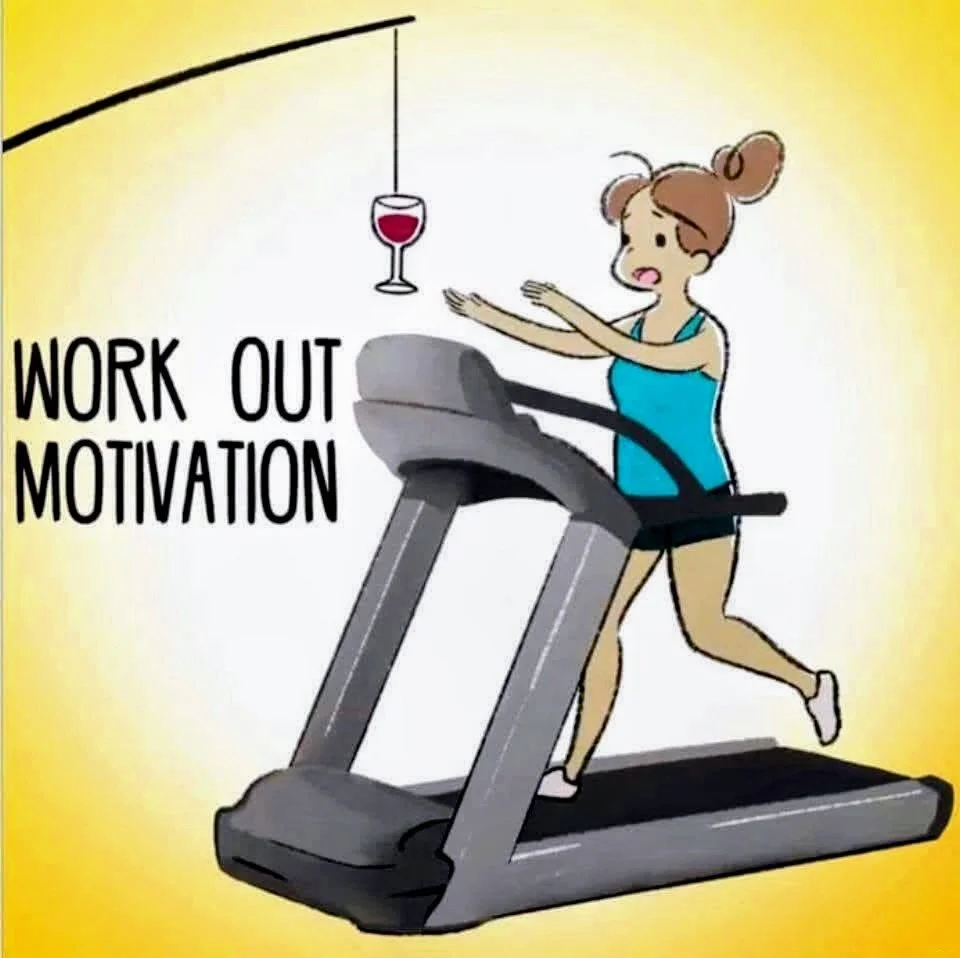
Because life isn't all about running! Take a break from the pavement and explore my favourite coffee spots, activities and ways to unwind below.
Nutrition
The follwoing nutrition tips helped me but will differ for evryone. Make sure you consult with your health professional.
Eat a balanced diet. Carbohydrates – bread, rice, pasta, oats, potatoes and fruit for energy. Protein – eggs, chicken, fish, yoghurt, tofu, beans and legumes to support muscle recovery. Healthy fats – avocado, nuts, seeds, olive oil and nut butters.Fruit and vegetables – for vitamins, minerals and fibre.
Don't run on an empty tank For an easy, shorter run, you may not need much beforehand. If you're hungry, have a small snack such as a banana, toast with honey or peanut butter, yoghurt, cereal.
Try to eat something 1–2 hours before running if you need a pre-run snack, and see what your stomach tolerates.
Refuel after your run A beginner doesn't need an elaborate recovery shake. A normal meal containing carbohydrates + protein is usually enough.
Hydration is important. Drink regularly throughout the day rather than trying to drink huge amounts immediately before running. For shorter runs, water is generally sufficient. For longer runs, particularly in hot conditions, you may need to consider electrolytes and additional carbohydrate intake.
Don't worry about gels straight away. For someone just starting out, gels and sports drinks generally aren't necessary for short runs. As they start running for longer periods, they can gradually learn about carbohydrate fuelling during exercise.
Don't drastically cut calories. Running uses energy, and beginners often underestimate how much fuel their body needs. Make sure you're eating enough to support your running, recovery and everyday life.
Don't overthink it. You don't need a special "runner's diet." Focus on eating enough, eating a variety of nutritious foods, staying hydrated and learning what foods make you feel good before and after running.
Cross Training
Cross training is your friend.
Other training to supplement your running: Don't forget strength training. Strength training can complement running by helping you build stronger muscles and improve overall resilience. Even 1–2 short sessions per week focusing on your legs, glutes and core can be beneficial. Becoming a better runner doesn't mean you have to run all the time. Cross training has become an important of my routine. I usually do Pilates once or twice a week, go for walks, have the occasional cardio HIIT workout and incorporate some light weights into my week. And sometimes? I just go and chill out in the pool. Not every workout needs to be intense or leave you completely exhausted. Some days it's about building strength, some days it's about getting your body moving, and some days it's simply about recovery and doing something you enjoy. For me, Pilates has been a great way to work on strength, stability and core control, while walking gives me some low-impact movement without putting the same demands on my body as running. I've also found that mixing things up keeps exercise feeling more enjoyable. I don't want my entire week to revolve around running, I want movement to be something I genuinely enjoy. Running might be my main thing, but it definitely isn't the only thing I do.
Links for all things running
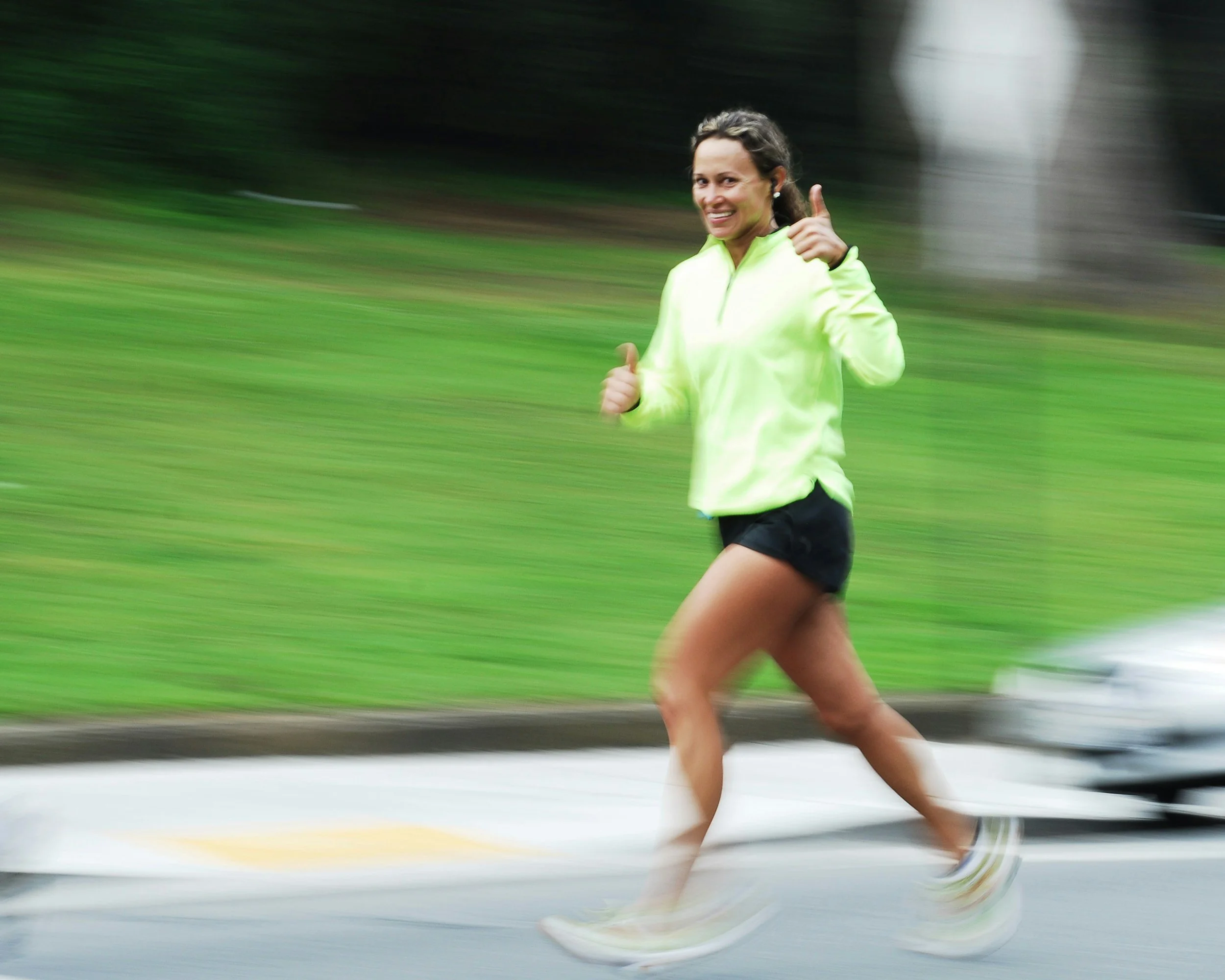
Bonds seamless comfy under short
A lightweight, stretchy, and seam-free layer designed to prevent chafing. You can buy them directly online or check stock via major retailers like Bonds or David Jones.

Begginer friendly, inclusive & fun running events
Race Hub Australia has events all over Australia including, NSW, Vic, QLD and SA. Whether you run, jog or walk, we’re a place where all paces are welcome!
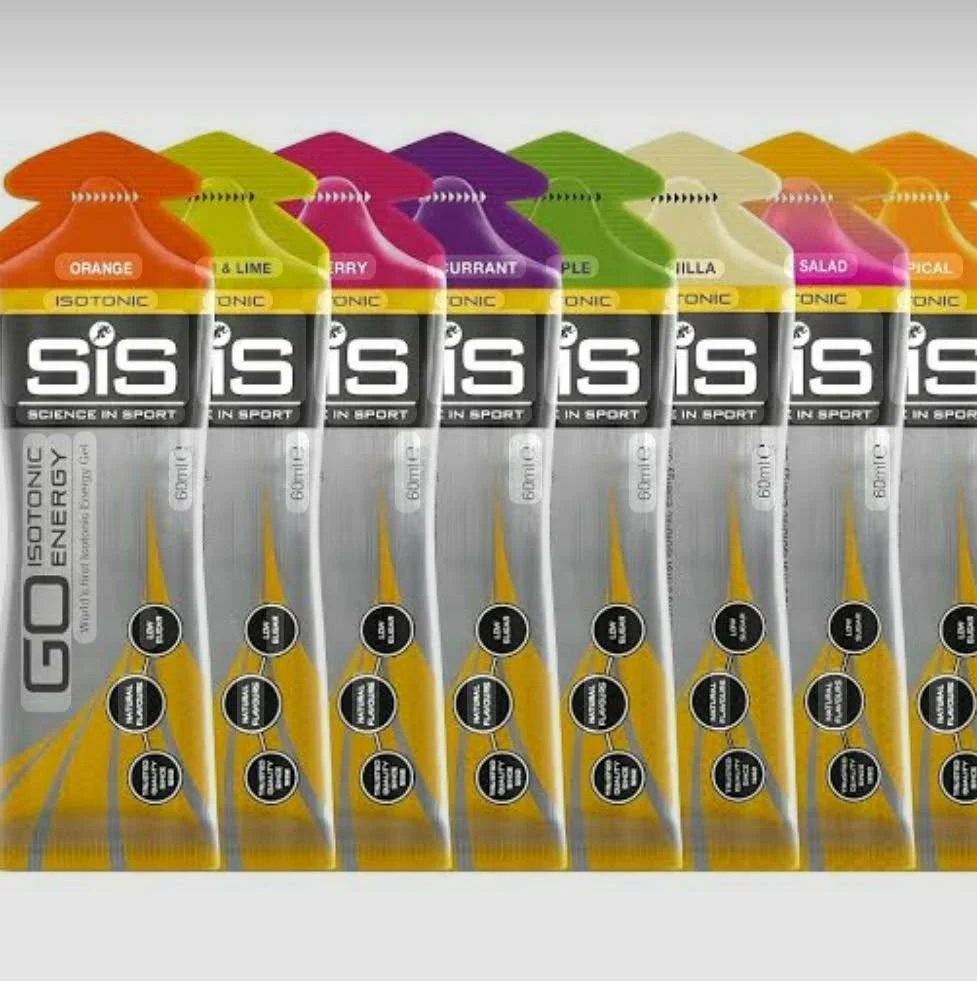
Science in Sport GO Isotonic Gels
Comes in multiple flavours, 87 calories per serving, easily digestible, quick supply of carbohydrate and delivers a quick/convenient supply of great-tasting carbohydrates without the need for water.